Samuel Mfinanga · Principal DP · 13+ years live & cinema
Find the right production scope
One story. Or a content rhythm.
Choose the closest scope before the call. Prices are planning references for the listed deliverables, not a reservation or checkout. We confirm the date, crew, travel, usage, revisions and delivery in your written quote.
Answer what you know; every question is optional. Your choices prepare an editable brief on Contact; nothing is sent until you review and submit it there. They do not reserve a date, confirm equipment, produce a price, or promise a result.
A corporate film is not one format. Choose the decision it must help someone make; then define the footage, versions, approval path, and place it will live.
01
Help a buyer trust the company
A prospective customer who has heard the name but has not met the team.
Bring to the brief
Real people, work in progress, and the customer question the film must answer.
Plan the deliverables
Decide whether the website needs one main film, shorter proof clips, or both.
Test the result
Can a visitor explain what the company does and why it is credible after watching?
02
Explain a product or service
A buyer comparing options who needs to understand the work before a sales call.
Bring to the brief
A demonstration, a real use case, and the point where the offer differs.
Plan the deliverables
Plan the main explanation and any channel-specific openings before the shoot.
Test the result
Does the film answer a real sales question and lead to a clear next step?
03
Let a customer tell the story
A prospect looking for evidence from someone who has already made the decision.
Bring to the brief
A willing customer, permitted claims, interview access, and the situation before and after.
Plan the deliverables
Scope the interview, supporting footage, attribution, and approval path together.
Test the result
Are the customer's words and any outcome claims approved for the intended use?
04
Bring people into a change
Employees, candidates, or partners who need to understand a launch or direction.
Bring to the brief
The leader's message, the people affected, and the action they should take.
Plan the deliverables
Separate an internal master from any public or recruiting version when audiences differ.
Test the result
Can each audience find the information and action meant for them?
What goes into the budget.
A quote should make these four parts visible. This is a scoping guide, not a LUCA rate card or a promise that every item is included.
Preparation
Research, message, treatment, interviews, permissions, and location planning.
Production
Shoot days, crew, travel, locations, sound, lighting, and any special access.
Post-production
Story edit, graphics, color, sound, captions, versions, and review rounds.
Rights and delivery
Music, talent, permitted usage, masters, formats, and any source-file handoff.
A finished file is not a distribution plan. These decisions help your team request the right assets, approve their use, and learn what happened after publication.
01
Give each audience a destination
Is this for a service page, sales conversation, internal update, or paid campaign?
Decide in the scopeName the owner and next action for each destination. Decide whether one master, shorter edits, or separate messages are needed before the shoot.
02
Specify the publishable files
Which shapes, captions, transcripts, opening frames, and thumbnails does each chosen channel require?
Decide in the scopeList only the agreed versions and accessibility assets; check the current destination specifications before final export.
03
Clear the material
Who may approve the people, customer statements, music, footage, and intended uses?
Decide in the scopeAssign a rights and factual-claims reviewer, an approval sequence, and a record of permitted use before publication.
04
Know what to learn
What should a viewer do next, and what signal will show whether the film helped?
Decide in the scopeChoose an owned destination, a baseline, a relevant action, and a review date. Separate platform views from qualified inquiries or other business outcomes.
This is a planning guide, not a promise that channel management, paid media, every cut, usage right, or business result is included. Agree deliverables and ownership in writing; your team decides whether and where to publish.
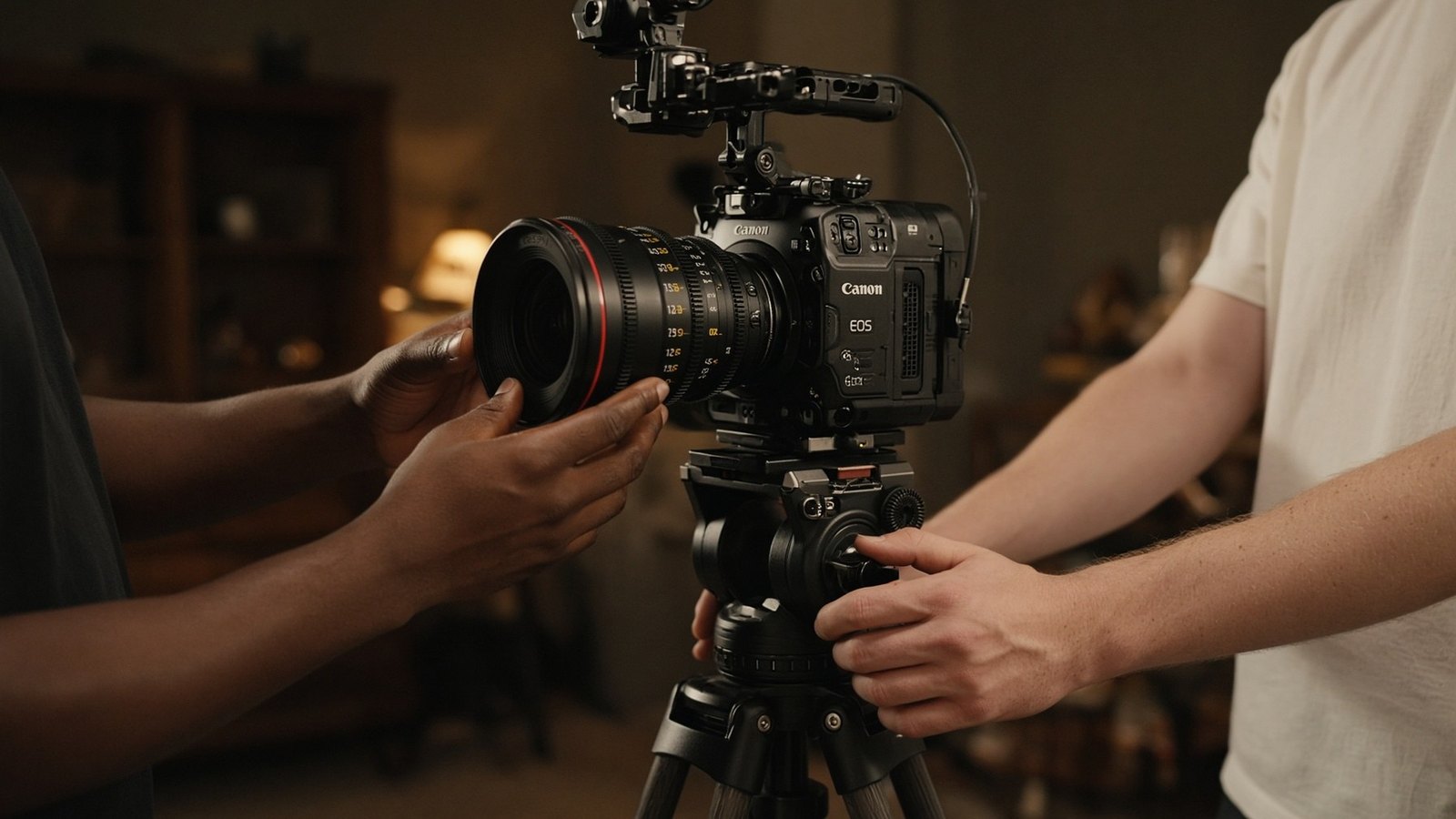
Executive interviews, a place, or a product, shot on the C500 Mark II
Color, sound, and the versions the brand asked for
Corporate Video & Brand Film: what this includes
Corporate Video & Brand Film: the work in scope.
01The editThe edit is where the story is decided. You get masters, not a single export and a goodbye.
Corporate Video & Brand Film: the practical distinction
What changes when this work is done here.
A sizzle with no job.
A film with an audience and a length.
Footage handed to a company that never heard the argument.
The same crew cuts it.
The workflow
How a film is made
01Who it is forThe audience, the length, and where it will play. A brand film is not a sizzle with no job.
02The dayA call sheet. A named director of photography. The location.
03The shootCinema EOS C500 Mark II, CN-E primes, the interview or the place, and sound that can be used.
04The cutColor, sound, and the versions the channels actually need. Masters, not a single export.
Before the quote
Plan the film before the shoot.
A camera is not the brief. Tell us what the audience should understand or do, then we can shape the production around that job.
01
Where it will live
A homepage, a presentation, a product page, or a campaign each needs a different opening and length. Name the primary channel first.
02
What we can film
Identify the people, locations, products, and approvals that make the story real. If those are still being arranged, say so in the first conversation.
03
What the edit must deliver
List the main film and any shorter, vertical, captioned, or alternate cuts you need. Versions and review rounds belong in the written scope.
What gets scoped
The quote settles pre-production, shoot days, crew, travel, edit rounds, formats, and delivery. A date is useful, but it is not required to begin the brief.
Before you choose
Questions worth settling before you book.
What changes the price of a corporate film?
The brief, locations, people on camera, shoot days, crew, edit rounds, and number of finished versions all change the scope. Music, talent, travel, captions, and other rights or delivery needs should be identified before the quote. We price the written job, not an unexplained package.
Do we need a finished script before calling?
No. Start with the audience, the action or understanding you want, where the film will appear, and who can approve it. The treatment, interview plan, and shot list can be shaped during pre-production if they belong in the agreed scope.
Can the same shoot make a main film and social cuts?
Often, if the versions and their destinations are planned before filming. Vertical framing, alternate openings, captions, and cut-down lengths affect what must be captured and edited. List each deliverable and review round in the proposal.
What rights and files do we receive?
The written agreement should name final files, formats, permitted uses, third-party music or talent rights, and whether raw footage or project files are included. Do not assume a finished-video delivery transfers every underlying right or source file.
Can accessibility be part of the film brief?
Yes. Tell us where the film will be used and whether captions, a transcript, or description of visual information are needed. Planning these before the script and shoot is more reliable than trying to add them after the edit.
How we quote
Scope
Quoted per scope
For
Brand and marketing leads who need films, executive interviews, product showcases, facility tours.